
Deciding where to plant your business roots in Dubai is one of those high-stakes moments that feels like it’ll either set you up for success or leave you tangled in red tape. By 2026, the city has become a massive hub for everything from AI startups to traditional trading firms, and the choice between a shared coworking space and a dedicated private office is still the biggest fork in the road for any founder. It isn’t just about whether you like beanbags or mahogany desks; it’s a decision that impacts your cash flow, your legal ability to hire staff, and how clients see you when they walk through the door. Getting this wrong early on can lead to some expensive headaches with lease breaks or visa caps, so you really have to be honest about where you see your team in the next twelve months.
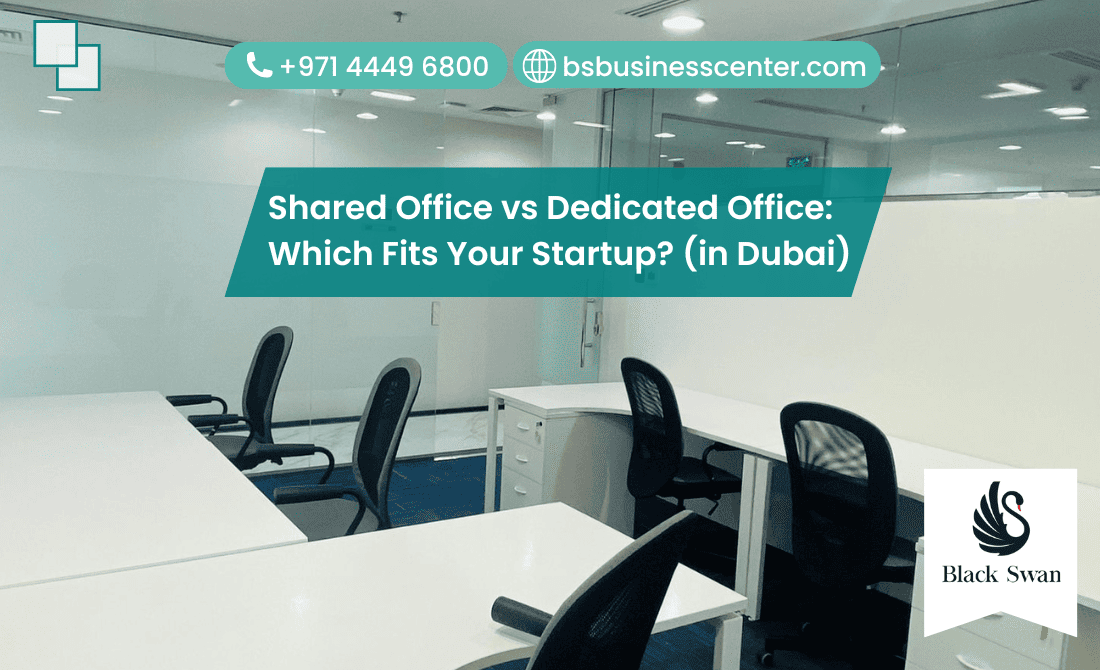
What’s the Real Deal with Shared Offices?
A shared office, or what most people call a coworking space, is basically the “no-strings-attached” version of a workspace. You aren’t renting a specific room with your company name on the glass; instead, you’re paying for a membership that lets you use the desks, the lounges, and the high-speed internet that someone else has already set up. In 2026, Dubai has some of the coolest coworking spots in the world, filled with podcast studios and decent coffee bars that make you actually want to show up on a Monday. For a solo founder or a tiny team, the best part is that everything is “plug-and-play,” meaning you don’t have to spend your first month arguing with a utility provider about why the Wi-Fi isn’t working. Get details on Office Spaces for Rent in Business Bay.
Saving Your Cash for the Growth Phase
If you’re watching your budget—and let’s face it, most startups are—the shared model is a lifesaver for your cash flow. Traditional offices in Dubai usually hit you with a massive upfront bill for rent checks, security deposits, and the cost of buying furniture. Shared spaces flip that on its head by charging a simple monthly or yearly fee that covers your electricity, internet, and even the cleaning. Based on the latest market numbers from places like JLT and various Free Zones, you can grab a flexi-desk for anywhere from 5,000 to 15,000 AED a year. That’s a small price to pay for a trade license without having to dump all your seed money into four walls before you’ve even hired your first employee. Looking for a Co-Working Space in Dubai?
The Visa and Legal Side You Can’t Ignore
Here is where a lot of people get tripped up: your office size is directly tied to how many visas you can get for your staff. The Department of Economy and Tourism (DET) and the Free Zone authorities have strict formulas for this, and they don’t really bend the rules. Usually, a basic “flexi-desk” in a shared space only gives you a quota of one to three visas maximum. If your business plan for 2026 involves hiring a team of five or more people, a shared desk won’t legally allow you to sponsor them. According to the current rules, once you outgrow those first few employees, you’re essentially forced to upgrade to a private office that meets the square footage requirements to keep your hiring legal.
Networking Without Even Trying
One of the biggest perks of a shared space is that you aren’t stuck in a bubble. You’re constantly surrounded by other founders, designers, and consultants who are often facing the same struggles you are. In tech hubs like Dubai Internet City, this leads to what people call “accidental” networking—where a chat in the kitchen turns into a partnership or a lead on a new investor. For a new startup, that social energy is a huge boost. It makes the long hours feel a lot less lonely and gives you a built-in community that can help you navigate the quirks of doing business in the Middle East. Get details on Private Office Space for Rent in Dubai.
The Case for Having Your Own Front Door
A dedicated office is exactly what it sounds like: a private space where you hold the keys and call the shots. While it’s definitely more of a commitment, for many startups, it’s about moving from “testing an idea” to “building an institution.” When you reach a certain size, you need a place where your team can actually focus without a stranger sitting three feet away. In 2026, as the Dubai market gets even more crowded, having a permanent office in a reputable spot like Business Bay or DIFC acts as a silent business card. It tells your clients and investors that you’re stable, serious, and here for the long haul.
Making the Space Your Own Canvas
When the office is yours, you get to decide everything from the color of the walls to the layout of the desks. You can create a vibe that matches your brand—maybe that’s a high-energy open floor plan or a series of quiet pods for deep work. For companies in sectors like fintech or legal services, having your own private walls isn’t just about the look; it’s a security requirement. You can’t exactly have sensitive client calls in a public lounge where anyone could be listening. A dedicated space gives you the physical and digital privacy you need to protect your intellectual property and keep your professional standards high. Looking to a Service Office for Rent in Dubai?
The Administrative Weight of Private Leasing
The catch with a dedicated office is that you’re the one who has to keep the lights on—literally. You’re responsible for the DEWA bills, the internet contracts, and finding someone to fix the AC when it inevitably acts up in August. In Dubai, a mainland lease also means dealing with the Ejari registration, which is a whole other layer of government paperwork. You also have to factor in “fit-out” costs, which is the money you spend turning a concrete shell into a functioning office. For a small team, managing all these facilities can be a massive distraction that eats up hours you should be spending on your customers.
Flexibility vs. The One-Year Contract
Startups need to be able to pivot, but traditional office leases in Dubai are famously rigid. Most landlords want at least a one-year commitment, and if your business suddenly takes off and you need to double your space in six months, breaking that lease can be a nightmare of fees and legal stress. On the flip side, if you hit a rough patch and need to scale back, you’re still on the hook for that rent. In the fast-moving 2026 market, the fear of being stuck in a space that’s either too small or too big is why so many founders stay in coworking spaces for as long as they possibly can. Get details on Flexi Desk Office in Dubai.
The Serviced Office: A Happy Middle Ground
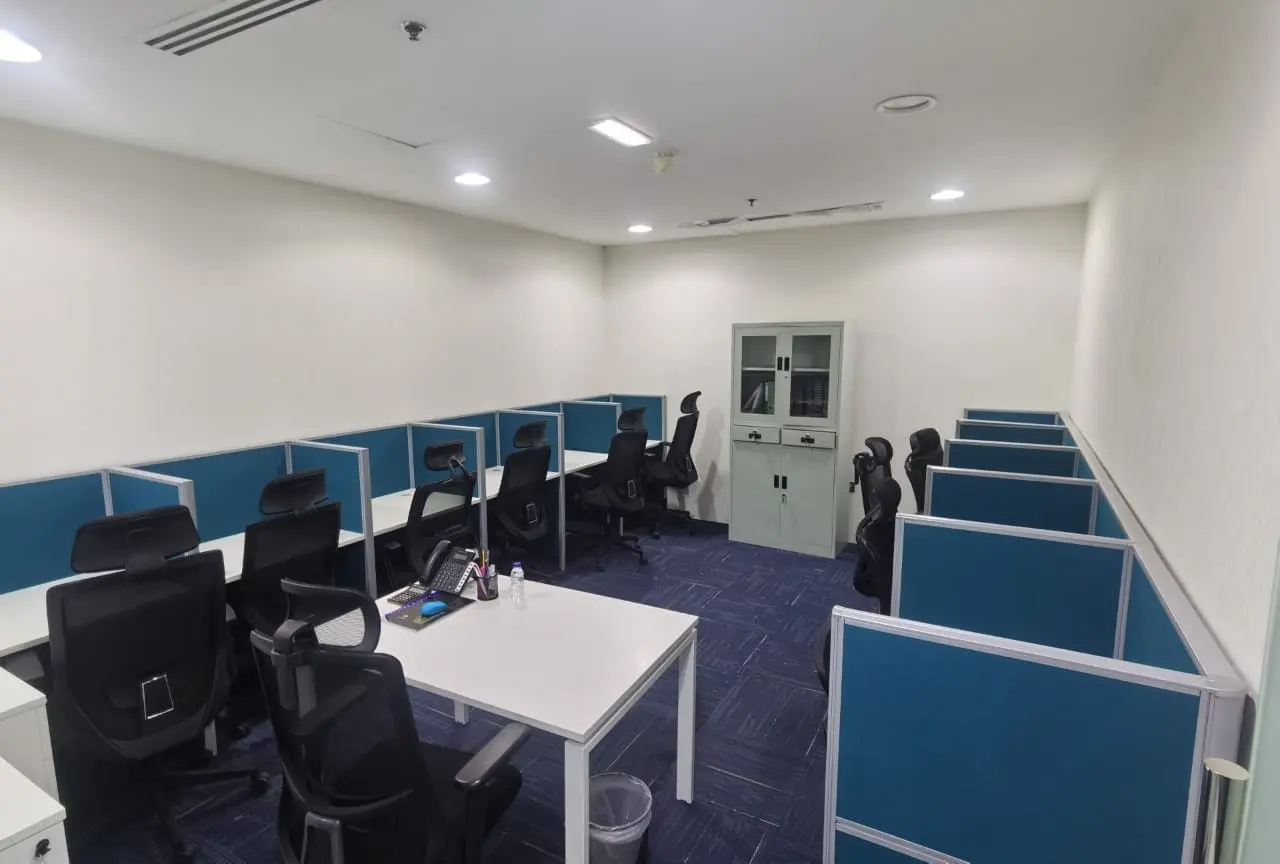
If you’re feeling torn between the two, there is a third option that a lot of Dubai startups are leaning into lately: the serviced private office. This is basically a private, lockable room located within a larger, managed business center. You get your own four walls and a door that locks, which helps with your visa quota, but the building management still handles the reception, the cleaning, and the coffee. It’s a great way to bridge the gap. You get the professional look and the privacy of a dedicated office without the massive administrative burden or the huge upfront costs of a full standalone lease.
Related Articles:
» Benefits of Renting a Co-Working Space for Your Business
» Top Reasons to Choose a Co-Working Space for Your Business
» Why Private Office Space in Dubai is Ideal for Startups and Freelancers?
» Private Office Space in Dubai: The Ideal Solution for Expanding Business
» Renting a Private Office Space for Your Business
Does Your License Even Allow Shared Space?
Before you sign anything, you absolutely have to check your trade license. Some business activities in Dubai are legally required to have a physical, private office before the authorities will even let you trade. This is common for things like medical clinics, law firms, and certain types of financial consultancies. The government wants to know you have a secure place for records and a proper environment for the public. Based on the current DET and Free Zone portals, if your business falls into a regulated category, a flexi-desk might not even be an option for you, so always verify your activity requirements first to avoid a licensing rejection.
Wrapping It All Up
There isn’t a one-size-fits-all answer here; it’s all about where you are on your journey and what your goals are for the coming year. If you’re a solo founder or a brand-new team trying to keep things lean and fast, the shared office is a brilliant way to get into the Dubai market with zero stress. But if you’re scaling up, need to hire a bigger team, and want to establish a serious brand identity, a dedicated office is an investment that eventually pays for itself in credibility and focus. Take a walk through a few different districts, talk to other founders in those buildings, and pick the space that actually feels like it’s going to help you win in 2026.